





Top Electric Scooters for Kids - Safe, Fun, and Durable Rides!
Discover the perfect blend of excitement and safety with our top electric scooter picks for kids. Find age-appropriate, durable, and fun scooters for your child!
Electric scooters designed for children combine the excitement of motorized transportation with age-appropriate safety features, controlled speeds, and durable construction that withstands young riders' enthusiasm. Choosing the right electric scooter for kids requires understanding developmental stages, matching speed capabilities to skill levels, prioritizing safety features, and selecting models from manufacturers who specialize in youth products. This comprehensive guide explores the best electric scooters for kids across age ranges, examining safety features, appropriate specifications, and what parents should prioritize when making purchases.
Age-Appropriate Speed and Power
Ages 6-8: Beginner Level
Opt for scooters with lower speed limits (under 10 mph) and easy-to-use controls. While most electric scooters go 10 mph or more, that's really fast for a young kid - for kids under 8, brands make electric scooters with lower maximum speeds as a much safer alternative. Experts cap scooters for 6-8-year-olds to those that could only reach 8 mph:
- Maximum speed: 7.5-8 mph ideal
- Motor power: 100-150W sufficient
- Weight limit: 120 lbs typical
- Runtime: 40-60 minutes adequate
- Controls: Simple, intuitive operation
Ages 9-12: Intermediate Level
Most experts recommend 8-12 mph as the sweet spot for 10-year-olds, allowing kids to have fun while maintaining control:
- Maximum speed: 10-12 mph appropriate
- Motor power: 150-250W
- Weight limit: 150-180 lbs
- Runtime: 60-90 minutes
- Features: Multiple speed modes beneficial
Ages 13-14: Advanced Level
- Maximum speed: 12-15 mph acceptable
- Motor power: 250-300W
- Weight limit: 180-220 lbs
- Range: 10+ miles
- Features: Adult-like controls and capabilities
Best Electric Scooters for Younger Kids (Ages 6-8)
GoTrax GKS and GKS Lumios
Safety-First Design
The GoTrax GKS features a unique foot-engaged, kick-to-start throttle - kids place their foot on the front deck button and kick off, then place their rear foot on the rear button to accelerate to 7.5 mph. The GoTrax GKS Lumios has an LED front wheel and child-friendly safety features, with a 200W motor producing a top speed of 7.5 mph:
- Top speed: 7.5 mph (perfectly controlled for young riders)
- Motor: 200W
- Throttle: Unique foot-engaged kick-to-start system
- Safety feature: Requires kicking motion to activate
- Lumios model: LED front wheel adds fun visual element
Why It Works for Young Kids
- Kick-to-start prevents sudden acceleration
- Speed cap appropriate for skill level
- Intuitive foot control system
- Durable construction withstands rough use
- Affordable pricing for entry-level scooter
Segway Ninebot Zing E8
Specifications
For children around ages 6-8, the Segway Ninebot Zing E8 offers a good balance of safety features and manageable speed:
- Brand quality: Segway reliability in youth model
- Safety features: Well-balanced design
- Speed: Manageable for younger riders
- Build: Sturdy Segway construction
Best Electric Scooters for Mid-Range Ages (9-12)
Razor Power Core E90
Proven Reliability
For kids aged 9-12, the Razor Power Core E90 is popular, known for its sturdy build and reasonable max speed limit:
- Top speed: 10 mph
- Build quality: Sturdy, durable construction
- Brand: Razor's established reputation
- Runtime: Up to 80 minutes continuous use
- Weight limit: 120 lbs
Why Parents Choose It
- Razor's decades of scooter expertise
- Appropriate speed for age range
- Durable enough for daily use
- Wide availability and support
- Affordable pricing
Razor Power Core S85
Specifications
The Razor Power Core S85 is best and safest for children aged 8 to 12, with a 10mph speed that's right for this age range:
- Age range: 8-12 years optimal
- Top speed: 10 mph
- Safety: Speed appropriate for skill development
- Features: Similar quality to E90 with minor differences
Segway Ninebot C2 Series
Parental Control Features
The Segway Ninebot C2 series comes with three different riding modes, allowing parents to control the maximum speed and battery usage for added safety. The C2 Lite has three speed modes, so you can limit its top speed to 7.5 MPH, helpful for kids just starting out:
- Speed modes: Three settings for progression
- Parental control: Limit speed as needed
- Lowest mode: 7.5 mph for beginners
- Battery control: Manage usage and range
- Versatility: Grows with child's skills
Safety Features
- Front electronic brake
- Mechanical rear drum brake
- Adjustable handlebar height
- Ambient lighting for visibility
- Sturdy, stable platform
Best for Older Kids/Teens (Ages 13-14)
Segway Ninebot Kickscooter C2 Pro
Specifications
The Segway Ninebot Kickscooter C2 Pro is designed for kids age 6-14, with a top speed of 12.4 MPH, max range of 9.9 miles, adjustable handlebar, and ambient lights:
- Age range: 6-14 years (upper end ideal for teens)
- Top speed: 12.4 mph
- Range: 9.9 miles maximum
- Handlebar: Adjustable for different heights
- Lighting: Ambient lights for visibility
Why It Works for Teens
- Higher speed accommodates advanced skills
- Longer range supports exploration
- Adjustability fits growth spurts
- Premium Segway quality
- Features approaching adult scooters
Critical Safety Features
Speed Control Systems
Slower scooters are safer for younger riders:
- Hard speed caps: Maximum speed physically limited
- Multiple modes: Parental control over available speeds
- Progressive acceleration: Gradual power delivery prevents surprises
- Kick-to-start: Prevents sudden uncontrolled acceleration
Braking Systems
Look for scooters with reliable hand brakes or foot-operated brakes for easy and responsive stopping. Models like the Segway C2 feature front electronic and mechanical rear drum brakes:
- Hand brakes: Lever-operated for intuitive control
- Foot brakes: Rear fender press-down style
- Electronic braking: Motor resistance slowing
- Dual systems: Redundancy for safety
- Child-appropriate force: Not requiring excessive hand strength
Stability and Construction
Ensure the electric scooter has a sturdy and stable design, with a low center of gravity to prevent tipping over. Parents appreciated that the deck was covered with very grippy material, lessening chances that a kid might slip off:
- Wide deck: Stable platform for both feet
- Low center of gravity: Reduces tipping risk
- Grippy surface: Prevents foot slippage
- Sturdy frame: Withstands impacts and rough handling
- Quality materials: Durable construction
Visibility Features
Scooters should have LED lights for increased visibility, especially when riding in low-light conditions. Bright headlights are an important safety benefit for high-traffic areas or early morning/evening riding:
- Front headlight: Illuminates path ahead
- Rear lights: Makes rider visible from behind
- Reflectors: Passive visibility enhancement
- Side lights: Additional visibility from all angles
- Bright colors: High-visibility frame colors
Kickstand Safety
A kickstand keeps the scooter upright and prevents accidental acceleration - when engaged, the rear wheel lifts off the ground so the scooter won't go anywhere if the throttle is engaged:
- Prevents rolling when parked
- Eliminates accidental throttle activation
- Teaches proper parking habits
- Protects scooter from damage when stored
Essential Safety Gear
Required Equipment
Helmets should be mandatory and elbow and knee pads are strongly recommended. For extra protection, consider investing in elbow and knee pads, and look for sets that include wrist guards:
- Helmet: CPSC-certified, properly fitted (non-negotiable)
- Knee pads: Protect during falls
- Elbow pads: Additional joint protection
- Wrist guards: Prevent common fractures
- Closed-toe shoes: Proper footwear essential
Sizing Safety Gear
- Helmet must fit snugly without movement
- Pads should stay in place during activity
- Replace gear as child grows
- Check manufacturer age/size recommendations
- Ensure gear doesn't restrict movement or vision
Parental Supervision and Rules
Supervision Requirements
- Ages 6-8: Direct adult supervision always
- Ages 9-12: Supervised practice, then monitored independence
- Ages 13-14: Established rules with check-ins
Safe Riding Rules
- Designated riding areas only (driveways, parks, bike paths)
- No street riding for younger children
- One rider per scooter always
- Daylight riding only initially
- Weather restrictions (no rain, wet surfaces)
- Speed limits even below scooter maximum
Skill Development Progression
- Practice in controlled, flat, open areas
- Master starting, stopping, and turning
- Gradually introduce mild inclines
- Teach defensive riding awareness
- Progress to less controlled environments slowly
Maintenance and Care
Regular Checks
- Tire condition and pressure (if pneumatic)
- Brake function before each use
- Battery charging status
- Loose bolts or components
- Frame integrity and damage
Teaching Responsibility
- Involve kids in basic maintenance
- Teach proper charging procedures
- Emphasize care and storage
- Make them responsible for safety checks
- Connect privileges to maintenance compliance
Budget and Value Considerations
Investment Perspective
- Entry-level: $100-$150 (ages 6-8)
- Mid-range: $150-$250 (ages 9-12)
- Advanced: $250-$400 (ages 13-14)
Value Factors
- Don't over-invest for young kids who'll outgrow quickly
- Established brands provide better longevity
- Factor in safety gear costs
- Consider resale value for quality models
- Warranty coverage important for kids' hard use
When Kids Are Ready
Readiness Assessment
- Can ride regular kick scooter confidently
- Follows safety rules consistently
- Demonstrates good judgment
- Physically coordinated for age
- Understands and respects rules
Not Ready If
- Overly impulsive or risk-taking
- Unable to follow instructions
- Physically uncoordinated
- Too young to understand safety concepts
- Lacks proper supervision availability
Alternative Considerations
Traditional Kick Scooters First
- Develop balance and coordination
- Learn scooter handling without power
- Cheaper investment for skill building
- No battery or charging concerns
- Can use in more locations
Growing Into Adult Scooters
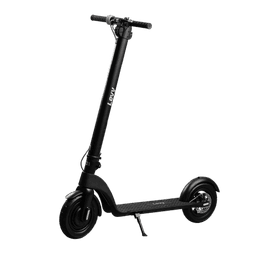
For older teens approaching adult size, some families consider entry-level adult scooters with parental controls. Companies like Levy Electric focus on practical commuter features like swappable batteries that can grow with a rider's needs—though their models target adult commuters, the concept of starting with appropriate equipment and upgrading as skills develop applies across age ranges.
Making Your Decision
The best electric scooter for kids balances age-appropriate speed limits with safety features, durable construction, and fun factor that keeps children engaged in outdoor activity. For ages 6-8, the GoTrax GKS delivers perfect beginner features with kick-to-start safety. For ages 9-12, the Razor Power Core models and Segway C2 series provide excellent mid-range options with parental controls. For teens 13-14, the Segway C2 Pro offers near-adult capabilities with appropriate safeguards.
Prioritize safety over performance, choose established brands with kid-specific designs, insist on proper safety gear always, establish and enforce clear rules, and supervise appropriately for age and skill level. Electric scooters can provide wonderful outdoor experiences for kids when matched properly to their developmental stage and used with safety as the paramount concern.