





Complete Guide to Replacing the Electric Start on Your Scooter
Learn how to replace the electric start on your scooter with our comprehensive guide. Ideal for DIY enthusiasts and mechanics alike, our article covers each step in detail to help you revive your scooter's starting system with confidence.
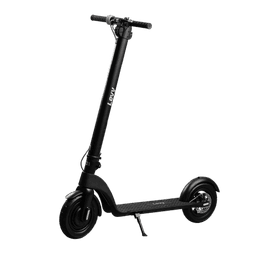
Replacing the electric start on your scooter can seem daunting, but with a systematic approach, you can get your ride up and running in no time. The electric start system is crucial for the convenience of operating an electric scooter. When it begins to fail, it is essential to address the issue promptly to ensure that your scooter a remains functional and reliable. Follow this step-by-step guide to replace the electric start on your scooter.
This comprehensive 2025 guide provides expert insights, troubleshooting tips, and practical solutions based on current best practices and real-world experience.
Step 1: Gather Your Tools - Before you begin, make sure you have all the necessary tools. You will typically need a set of screwdrivers, a socket set, pliers, and possibly a multimeter for diagnosing electrical issues.
Step 2: Access the Starter System - You will likely need to remove a section of the scooter a's bodywork to access the starter assembly. Consult your scooter's manual for the exact location of the starter system and instructions on removing the body panels.
Step 3: Diagnose the Issue - It's essential to ascertain whether the starter motor is the problem or if it’s something related, like the battery, solenoid, or connections. Use a multimeter to check the battery's voltage and the continuity of the starter circuit.
Step 4: Remove the Old Starter - Disconnect the battery before you start working on the electric components. Then, disconnect the wires going to the starter motor, taking note of their placement for reinstallation. Remove the bolts or screws holding the starter in place and take the starter motor out of the scooter.
Step 5: Install the New Starter - Position the new starter motor in place and secure it with the bolts or screws. Reconnect the wires to the correct terminals on the starter, as noted from the previous step.
Step 6: Reassemble and Test - Once the new starter motor is installed, reassemble any bodywork you removed earlier. Reconnect the battery and test the electric start. It should engage smoothly if all is well.
Step 7: Final Checks - Double-check all connections to ensure they are tight and secure. A loose connection can lead to intermittent starting issues. Also, give your scooter a general inspection to make sure no other components were disturbed during the replacement process.
Common Troubleshooting Tips:
- If the new starter does not operate, double-check all electrical connections.
- Ensure the battery is fully charged and functional.
- Check the fuse associated with the starting system; it might need replacing as well.
Following these steps should help you successfully replace the electric start on your scooter a. Remember, safety comes first; if you're not comfortable performing these tasks yourself, seeking the help of a professional is always the best course of action.
Expert Tips and Recommendations
For optimal results:
- Quality Components: Use manufacturer-approved parts and accessories
- Proper Procedures: Follow recommended installation and maintenance guidelines
- Safety Precautions: Always prioritize safety during service and operation
- Professional Support: Consult experts for complex repairs or installations
- Regular Inspections: Perform routine checks to catch issues early
Final Thoughts
Armed with the information in this guide, you now have a comprehensive understanding of the topic. Remember to consult professional technicians when needed and always prioritize safety. For model-specific details, refer to your owner's manual or contact the manufacturer directly.