
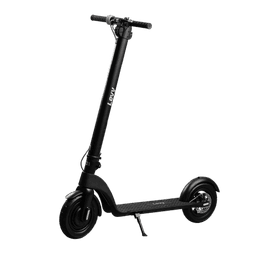





Top Electric Scooters You Can Zip Around With in France
Discover the best electric scooters available in France, from the reliable Xiaomi Pro 2 to the locally designed E-TWOW Booster Plus S+. Find your perfect ride.
France is not just famous for its exquisite cuisine, rich history, and stunning architecture, but it's also rapidly establishing itself as a leading hub for electric mobility solutions across Europe. In bustling metropolitan areas like Paris, Lyon, Marseille, and Toulouse, electric scooters have evolved from a novelty to an essential mode of urban transportation, fundamentally changing how residents and visitors navigate crowded city streets. With comprehensive regulations updated for 2024-2025, mandatory insurance requirements, and an impressive selection of high-quality scooter models from leading manufacturers, France offers one of Europe's most developed e-scooter ecosystems. This comprehensive guide covers the top electric scooter models available in France that comply with current regulations, detailed French e-scooter laws including mandatory insurance and safety equipment, practical advice for purchasing and using scooters in French cities, the impact of Paris's shared scooter ban on personal ownership, and tips for safe, legal riding in France's unique urban environment. Whether you're a French resident considering purchasing your first e-scooter or a visitor planning to bring or rent a scooter during your stay, understanding the available models and regulatory landscape ensures you can enjoy efficient, legal electric mobility throughout France.
Understanding French E-Scooter Regulations (2024-2025)
Before selecting a scooter, it's crucial to understand France's comprehensive e-scooter regulations, which are among the most developed in Europe:
Speed Limitations: The maximum legal speed for electric scooters on public roads and bike paths in France is 25 km/h (approximately 15.5 mph). This speed limit is strictly enforced and applies nationwide. In designated pedestrian zones, the speed limit drops to 6 km/h (approximately 3.7 mph)—essentially walking speed. The European Transport Safety Council (ETSC) has recommended reducing the maximum speed to 20 km/h, and this change may be implemented in coming years, though 25 km/h remains the current legal maximum. Scooters must be equipped with electronic speed limiters that prevent exceeding 25 km/h—tampering with speed limiters is illegal and can result in fines and confiscation.
Motor Power Restrictions: The maximum motor power for legal electric scooters in France is 500 watts continuous power. Peak power may exceed this briefly for acceleration or hill climbing, but rated continuous power must not exceed 500W. The propulsion system must automatically stop operating when the scooter reaches the 25 km/h speed limit. Scooters exceeding 500W or capable of sustained speeds above 25 km/h are classified as motorcycles or mopeds and require registration, insurance, helmet, and appropriate driver's license—these are not permitted in bike lanes and must follow full vehicle regulations.
Age Requirements: As of recent regulations, the minimum age to ride an electric scooter in France has been increased from 12 years to 14 years old. This applies to both personal scooters and any rental services. Riders under 14 are prohibited from operating electric scooters on public roads and bike paths. Parents or guardians can face fines if children under 14 are found riding scooters on public infrastructure. The age restriction aims to ensure riders have sufficient judgment and physical ability to safely operate scooters in traffic.
Mandatory Insurance (Critical Requirement): Since 2020, France requires all electric scooter owners to carry third-party liability insurance (assurance responsabilité civile). This is one of the most important legal requirements and is strictly enforced. The insurance must cover potential damage caused to third parties including injury to pedestrians or other road users, damage to other vehicles or property, and legal costs if sued for scooter-related incidents. Lack of proper insurance is punishable by fines up to €3,750, plus potential confiscation of the scooter. Insurance is typically affordable (€5-15 per month) and can often be added to existing home or renter's insurance policies. Riders must carry proof of insurance and present it if requested by police. Insurance is mandatory even if the scooter is only used on private property, as the law applies to the vehicle itself, not just its use on public roads.
Mandatory Safety Equipment (2024-2025 Requirements): French regulations require specific safety equipment on all electric scooters. Required on the scooter itself: Front white light (visible from at least 150 meters), rear red light and reflector, reflective elements on both sides, audible warning device (bell or horn) effective at 50 meters distance, efficient braking system (front and rear brakes recommended). Required for the rider: High-visibility vest or reflective armband/bag when riding at night or in low visibility conditions, helmet is highly recommended for all ages and becoming mandatory in updated regulations (currently mandatory for riders under 18 in many jurisdictions), and reflective clothing or accessories in poor visibility. Failure to have required equipment results in fines ranging from €35-€135 depending on the violation.
Where You Can Ride: Understanding where e-scooters are permitted is essential for legal riding. Permitted: Designated bike lanes and cycle paths (preferred), roads with speed limits up to 50 km/h when no bike lane is available, and some multi-use paths where specifically permitted by signage. Prohibited: Sidewalks (except when walking the scooter with motor off)—riding on sidewalks results in €135 fine with risk of confiscation for repeat offenses, highways and roads with speed limits above 50 km/h, and pedestrian-only zones (unless posted speed limit is 6 km/h or zone permits e-scooters with restrictions). Local municipalities may have additional restrictions, particularly in historic districts or near schools.
Prohibited Behaviors: Several behaviors are specifically prohibited with fines: Using phone while riding (€135 fine), listening to music with earphones or headphones (€135 fine), riding under the influence of alcohol—0.5‰ blood alcohol limit applies (€135+ fine, potential license suspension for repeat offenders), carrying passengers—scooters are for single rider only (€35 fine), and riding without proper lights at night (€35-€135 fine). These rules are actively enforced, particularly in major cities like Paris where police conduct regular e-scooter compliance checks.
1. Xiaomi Mi Electric Scooter Pro 2
Popular for its exceptional reliability, sleek minimalist design, and excellent value, the Xiaomi Mi Electric Scooter Pro 2 is a favorite among French commuters and remains one of the best-selling e-scooters in France:
Specifications: Maximum speed of 25 km/h (complies perfectly with French legal limits), impressive range of up to 45 kilometers on a single charge under optimal conditions (flat terrain, 70kg rider, moderate speed), 300W nominal motor power with 600W peak power for hill climbing, battery capacity of 12,800mAh (474Wh) lithium-ion, and weight of 14.2 kg making it reasonably portable. Maximum load capacity of 100 kg (220 lbs).
Features: Dual braking system (disc brake + E-ABS regenerative braking) provides safe, controlled stopping, built-in front and rear LED lights comply with French requirements, IP54 water resistance rating protects against splashes (not submersion), fold-and-go design enables easy storage and transport, smartphone app connectivity for speed mode selection, cruise control, firmware updates, and ride statistics, and 8.5-inch pneumatic tires provide comfortable ride over varied urban surfaces.
Why It's Perfect for France: The 25 km/h top speed exactly matches French legal limits, eliminating any compliance concerns. The 45 km range is sufficient for most urban commutes in French cities—the average Paris commute is 15-20 km, leaving ample battery reserve. Wide availability of service centers and replacement parts throughout France. Affordable price point (typically €400-550) makes it accessible for most buyers. The Xiaomi Pro 2's reliability has made it the default recommendation for first-time e-scooter buyers in France.
2. Segway Ninebot KickScooter MAX
The Segway Ninebot MAX's robust build quality, impressive long-range battery, and premium features make it an excellent choice for serious commuters or those planning longer rides along the Seine, through Lyon's Parc de la Tête d'Or, or around Marseille's waterfront:
Specifications: Maximum speed of 25 km/h (French-legal), exceptional range of up to 65 kilometers—the longest range of mainstream scooters available in France, 350W nominal motor power (700W peak) provides strong hill-climbing ability, battery capacity of 551Wh enables the impressive range, weight of 18.7 kg (heavier but still manageable), and maximum load of 100 kg.
Features: IPX5 water resistance (higher than most competitors) allows riding in rain, self-healing tubeless 10-inch tires reduce puncture risk and provide smooth ride, dual braking with disc brake and regenerative braking, built-in bright headlight and brake-activated rear light, one-step folding mechanism, and Bluetooth connectivity for app-based customization and tracking.
Why It's Perfect for France: The 65 km range eliminates range anxiety for even the longest French urban commutes—you can ride from Paris city center to Versailles (22 km) and back on a single charge with battery to spare. Superior build quality and weather resistance suit France's variable weather, particularly important for year-round commuting. The tubeless tires mean fewer maintenance issues compared to scooters with inner tubes. Higher price point (typically €700-900) reflects premium quality and features. Excellent choice for commuters in suburban areas of Paris, Lyon, or Marseille where distances are greater.
3. Xiaomi Mi Electric Scooter 3 Lite
For those new to electric scooters, on a tight budget, or wanting a lighter option for multi-modal commuting (combining scooter with metro/bus), the Xiaomi Mi 3 Lite is synonymous with reliability and accessibility:
Specifications: Maximum speed of 25 km/h (French-legal), range of 20 kilometers (sufficient for shorter urban trips), 300W motor, battery capacity of 183Wh (smaller but charges faster), remarkably light weight of only 13 kg—easiest to carry of mainstream scooters, and maximum load of 100 kg.
Features: Lightweight and easy to maneuver, perfect for navigating crowded French metro stations, quick-fold mechanism takes seconds, built-in lights meet French requirements, dual braking system, and smartphone app for basic controls and monitoring.
Why It's Perfect for France: The lightweight design is ideal for combining with public transportation—many French commuters ride scooter to metro station, fold it, carry it on metro, then ride again at destination. Budget-friendly price (typically €300-400) makes e-scooter ownership accessible to students and young professionals in expensive French cities. 20 km range is adequate for most inner-city Paris, Lyon, or Marseille trips. Perfect first scooter for those unsure about committing to e-scooter commuting. The lower price point means lower insurance costs as well.
4. Segway Ninebot F25E
The Segway Ninebot F25E offers a balanced approach to performance, portability, and price, backed by Segway's trusted brand reputation in the French market:
Specifications: Maximum speed of 25 km/h, range of 25 kilometers, 300W motor (600W peak), battery capacity of 183Wh, weight of 13.5 kg, and 100 kg maximum load.
Features: Smooth, stable ride quality that Segway is known for, reliable dual braking system, built-in front and rear lights, IPX4 water resistance (splash-proof), and one-step folding design.
Why It's Perfect for France: Segway's reputation for quality and reliability is particularly valued in France where repair and maintenance access is important. The 25 km range handles typical French urban commutes. Balanced weight makes it portable but substantial enough for stable riding. Price point (typically €400-500) is competitive while maintaining Segway quality standards.
5. Peugeot e-Kick
Blending premium French design with practical functionality, Peugeot offers the e-Kick, which appeals to French consumers who value domestic manufacturing and aesthetic design:
Specifications: Maximum speed of 25 km/h (customizable lower for different rider preferences), range of 25-30 kilometers, 350W motor, designed with Peugeot's automotive engineering expertise, and premium build quality.
Features: Distinctively French design aesthetic that's more refined than many Asian-manufactured scooters, folds easily for convenient storage, can be paired/integrated with Peugeot vehicles for seamless multi-modal travel, comprehensive safety features including quality lighting, and available in multiple color options.
Why It's Perfect for France: French-designed scooter appeals to buyers who prefer supporting domestic or European brands. Premium design and build quality justify higher price point. Peugeot's established service network throughout France provides peace of mind for repairs and maintenance. Ideal for professionals who want a scooter that reflects their aesthetic preferences. Integration with Peugeot vehicles is unique feature for Peugeot car owners.
6. E-TWOW Booster Plus S+
Designed and manufactured in France, the E-TWOW Booster Plus S+ has devoted following among French riders who value performance, portability, and supporting French manufacturing:
Specifications: Maximum speed of 25 km/h (French-legal setting), range of 35 kilometers, 500W motor (maximum legal power in France), battery capacity of 504Wh, impressively light weight of 11 kg—among the lightest scooters with this performance, and maximum load of 100 kg.
Features: Regenerative braking system helps extend range and reduces wear on mechanical brakes, innovative folding mechanism is extremely compact, carries easily thanks to light weight, customizable performance settings through app, and high-quality French engineering and construction.
Why It's Perfect for France: French-manufactured scooter supports local economy and manufacturing. The 11 kg weight is exceptional for a scooter with 500W motor and 35 km range—perfect for carrying up Parisian apartment stairs or on crowded metros. Regenerative braking is particularly effective in stop-and-go city traffic common in French urban centers. Higher price point (typically €800-1,100) reflects premium French manufacturing. Strong local support network and French customer service. Popular choice among French e-scooter enthusiasts who want performance without sacrificing portability.
7. Razor Power Core E90
Ideal for younger riders (ages 14+, minimum legal age in France) or beginners, the Razor Power Core E90 is an affordable option with simple design and sufficient power for casual short-distance scooting:
Specifications: Maximum speed of 16 km/h (well below French limits, suitable for beginners), range of 13 kilometers, 90W motor (lower power for safety and control), lightweight construction suitable for younger/smaller riders, and lower price point.
Features: Simple, intuitive operation perfect for first-time riders, durable construction, minimal maintenance required, and twist-grip throttle control.
Why It's Perfect for France: Affordable entry point for 14-year-olds newly legal to ride under French law. Lower speed and power reduce risk for inexperienced riders. Simple design means fewer things to go wrong and lower repair costs. Good option for suburban or small-town France where distances are shorter and traffic is lighter. Note: While legal for 14+ riders, the lower performance means it's less suitable for adult commuting in major French cities.
Understanding Paris's Shared Scooter Ban
An important development affecting e-scooter culture in France is Paris's ban on shared/rental scooters:
What Happened: In April 2023, Parisians voted in a referendum to ban shared e-scooter services from the city. As a result, major operators like Lime, Dott, and Tier ceased operations in Paris. The ban was motivated by concerns about sidewalk riding, improper parking blocking walkways, rider accidents, and visual clutter from scattered rental scooters. The ban applies only to shared/rental services operated by companies—it does not affect personally-owned scooters.
Impact on Personal Ownership: The ban has actually increased interest in personally-owned scooters. Parisians who relied on rental scooters for commuting have turned to purchasing their own. Personal scooter sales increased significantly following the ban announcement. Owning a scooter in Paris makes increasing sense as convenient rental options are no longer available. This guide focuses on scooters for personal ownership, which remains fully legal and increasingly popular.
Other French Cities: The Paris ban applies only to Paris proper, not surrounding suburbs or other French cities. Lyon, Marseille, Toulouse, and other French cities continue to permit shared scooter services alongside personal ownership. Each municipality sets its own rules, so check local regulations if traveling between cities.
Buying an E-Scooter in France: Practical Advice
When purchasing an electric scooter in France, consider these important factors:
Legal Compliance Verification: Before purchasing, verify the scooter meets French requirements: maximum 25 km/h speed with electronic limiter, maximum 500W motor power, equipped with required lights and reflectors, and includes audible warning device (bell/horn). Reputable retailers in France only sell compliant models, but be cautious buying from foreign online sellers or secondhand markets.
Insurance Setup: Immediately arrange insurance before riding your new scooter—it's illegal to ride without it. Many French home insurance providers (assurance habitation) offer e-scooter coverage as an add-on for €5-15/month. Specialized e-scooter insurance is available from companies like Luko, Parachut, and Allianz. The insurance must specifically cover electric scooters (trottinette électrique)—general liability insurance may not suffice. Keep proof of insurance with you when riding.
Where to Buy: Purchasing from established French retailers provides advantages: warranty support in France, French customer service, assurance of legal compliance, and often include initial setup and safety check. Popular French e-scooter retailers include Wee-Bot (major French specialist with showrooms), Decathlon (French sports retailer with e-scooter selection), Fnac and Darty (electronics retailers), and Boulanger (appliance/electronics retailer). Purchasing from authorized dealers ensures genuine products—counterfeit Xiaomi and Segway scooters are unfortunately common in online marketplaces.
Test Riding: If possible, test ride before purchasing. Many French retailers offer test rides in-store or outdoor areas. Test for comfort, handling, brake responsiveness, acceleration smoothness, and ease of folding/unfolding. What feels comfortable in a store may feel different after a 10 km commute.
Budget Considerations: Factor in total cost of ownership: scooter purchase (€300-1,100 depending on model), insurance (€60-180 per year), replacement parts (tires, brake pads wear out: €50-150 annually), safety gear (helmet €30-100, high-vis vest €10-30), and potential repair costs. Budget models save money upfront but may have higher long-term maintenance costs. Premium models cost more initially but often have lower per-kilometer costs over their lifetime.
Safety Tips for Riding in France
Maximize safety while navigating French streets:
Essential Safety Practices: Always wear a helmet even though it's not mandatory for adults—head injuries are the most serious e-scooter accident consequence. Wear high-visibility clothing, especially at dawn, dusk, or night. Use bike lanes whenever available—these are designed for your safety and speed. Make eye contact with drivers at intersections—never assume they see you. Reduce speed in crowded areas, near pedestrians, and on uneven surfaces. Check your brakes before every ride. Keep hands on handlebars at all times—never ride with packages or phone in hand.
Weather Considerations: French weather varies significantly by region and season. In rain, reduce speed significantly—wet surfaces dramatically increase stopping distance, avoid metal surfaces (manhole covers, train tracks) which become extremely slippery when wet, and ensure lights are functioning for visibility. In winter, be cautious of ice and frost, especially on bridges and shaded areas. Battery performance decreases in cold weather—expect 20-30% range reduction in winter.
Navigation Challenges: French cities have unique characteristics affecting scooter riding. In Paris, cobblestone streets in historic districts are bumpy and challenging—reduce speed and maintain firm grip. In Lyon, steep hills require powerful motor—ensure adequate power before attempting. In Marseille, coastal winds can affect stability—lean into wind and reduce speed. Many French cities have narrow medieval streets where passing cars requires caution.
Parking Considerations: Proper parking prevents fines and serves the community. Park in designated e-scooter parking areas where available (increasingly common in major cities). Park against building walls or in bicycle parking areas. Never block sidewalks, building entrances, accessibility ramps, or emergency access. Secure your scooter with a lock—e-scooter theft is unfortunately common in French cities. Consider folding and taking scooter with you rather than leaving unattended when possible.
Conclusion
Choosing the right electric scooter in France depends on balancing personal needs with French regulatory requirements and urban environment characteristics. The top models available in France—ranging from the budget-friendly Xiaomi Mi 3 Lite (€300-400, 20 km range) perfect for short trips and multi-modal commuting, through the balanced Xiaomi Pro 2 (€400-550, 45 km range) ideal for most urban commuters, to the premium Segway Ninebot MAX (€700-900, 65 km range) for serious long-distance commuters, and the French-designed E-TWOW Booster Plus S+ (€800-1,100) for those valuing portability and domestic manufacturing—offer excellent options for different budgets, use cases, and preferences. All comply with France's stringent 25 km/h speed limit and 500W power maximum, ensuring legal operation throughout the country.
Understanding and following French e-scooter regulations is essential for legal, safe riding. Remember the critical requirements: mandatory third-party liability insurance (€5-15/month, fines up to €3,750 without it), minimum age of 14 years, required safety equipment including lights, reflectors, horn, and high-visibility gear at night, strict prohibition on sidewalk riding (€135 fine), and compliance with traffic rules including no phone use, no earphones, and 0.5‰ alcohol limit. These regulations exist to protect both riders and pedestrians, and enforcement has increased significantly in recent years, particularly in Paris, Lyon, and Marseille.
The landscape of e-scooter use in France continues evolving, with the Paris shared scooter ban shifting focus toward personal ownership, proposed speed limit reductions from 25 km/h to potentially 20 km/h under consideration, increasing enforcement of existing regulations particularly regarding sidewalk riding and insurance, and expanding bike lane infrastructure in major cities improving safety and convenience for scooter commuters. As France's electric mobility infrastructure develops and regulations mature, e-scooters are becoming an increasingly integrated component of French urban transportation networks.
Whether you're a Paris resident replacing lost access to Lime and Dott with your own scooter, a Lyon commuter tired of crowded public transport, a Marseille professional seeking efficient point-to-point transportation, or a visitor planning extended time in French cities, owning a compliant, quality electric scooter offers unprecedented urban mobility. By selecting an appropriate model from this guide, ensuring full legal compliance including mandatory insurance, equipping yourself with proper safety gear, and following French traffic regulations, you'll be confidently and legally whizzing through the beautiful streets of France with ease aboard your electric companion, experiencing French cities from an entirely new perspective while contributing to France's sustainable urban mobility future.