





Discover the Best Electric Scooter for Kids in 2023
Best kids' electric scooters for 2025: Razor E100 (ages 8+, $200), Segway C2 Lite ($169), GoTrax GKS (ages 6-8, 7.5 MPH). Learn safety guidelines, age requirements, and helmet laws.
Choosing the perfect electric scooter for your child can be both thrilling and daunting. With dozens of models available in 2025, finding the right balance between fun, safety, and age-appropriateness is essential. This comprehensive guide will help you navigate the top electric scooters for kids, understand critical safety considerations, and make an informed decision that keeps your young rider safe while delivering the excitement they crave.
In this guide, we'll cover everything from age-specific recommendations and safety features to the best scooters on the market in 2025, pediatric safety guidelines, legal requirements, and practical tips for parents. Whether your child is 6 or 14, we'll help you find the ideal electric scooter match.
Age Recommendations and Developmental Readiness
Understanding age-appropriate electric scooter use is the foundation of safety. Not all children of the same age have the same physical abilities, coordination, or judgment, so matching the scooter to your specific child's development is crucial.
Pediatric Expert Recommendations
American Academy of Pediatrics (AAP): The AAP recommends that children under 16 should not operate or ride on motorized scooters or e-scooters. The organization cites concerns about judgment, traffic navigation experience, and the severity of injuries when accidents occur.
Why the conservative recommendation: Children younger than 16 often lack the judgment and experience to safely navigate traffic, recognize hazards, and react appropriately to unexpected situations. Between 2017 and 2021, 190,000 e-scooter riders were treated in emergency rooms with 68 deaths reported, with a significant proportion involving children and teens.
Practical reality: While the AAP sets a conservative standard, most electric scooter manufacturers design products specifically for children as young as 6-8 years old with appropriate speed limitations and safety features. The minimum age recommended by manufacturers is typically 8 years, though children younger than that may not possess the coordination to safely operate an electric scooter.
Age-Based Guidelines
Ages 6-8 (Young Beginners):
- Speed limit: 7-8 MPH maximum to allow safe control and reaction time
- Supervision: Constant parental supervision required
- Features: Kick-to-start safety systems, beginner mode restrictions, lower deck height
- Development needs: Children should have mastered regular kick scooters first and demonstrate good balance
- Riding locations: Flat, enclosed areas like driveways and parks only—no roads or traffic areas
Ages 8-12 (Intermediate Riders):
- Speed limit: 10-12 MPH appropriate for developing skills
- Supervision: Close supervision recommended, especially near roads
- Features: Multiple speed modes, reliable braking systems, longer range
- Development needs: Demonstrated responsible behavior, understanding of basic traffic rules
- Riding locations: Neighborhoods, bike paths, parks with parental oversight
Ages 12-16 (Advanced Young Riders):
- Speed limit: 12-15 MPH with proven responsibility
- Supervision: Periodic oversight with clear rules and boundaries
- Features: Full-featured scooters with longer range, better build quality
- Development needs: Mature judgment, traffic awareness, defensive riding skills
- Riding locations: May include bike lanes and roads in some jurisdictions (check local laws)
Readiness Assessment Checklist
Before purchasing an electric scooter, assess whether your child is truly ready:
- Physical coordination: Can they balance on a regular kick scooter confidently?
- Judgment: Do they follow safety instructions and recognize potentially dangerous situations?
- Size: Is your child large enough to comfortably reach handlebars and operate controls?
- Responsibility: Have they demonstrated care with other toys and equipment?
- Traffic awareness: Do they understand basic road safety concepts like looking both ways?
Critical Safety Features to Prioritize
The safest kids' electric scooters incorporate specific design elements that reduce injury risk and make riding more manageable for young users.
Speed Control Systems
Multiple speed modes: The best kids' scooters offer 2-3 speed settings that allow parents to limit top speed based on the child's skill level:
- Beginner mode: 6-7 MPH for first-time riders still developing coordination
- Intermediate mode: 8-10 MPH for riders with basic skills
- Advanced mode: 10-12 MPH for experienced young riders (some models go up to 15 MPH for teens)
Kick-to-start safety: Some models require the rider to kick the scooter to 1.5-2 MPH before the motor engages. This prevents sudden acceleration from a standstill, which can throw inexperienced riders off balance. The GoTrax GKS features a unique foot-engaged, kick-to-start throttle where children must kick off the ground to get moving before the motor activates.
Braking Systems
Dual braking recommended: Quality kids' scooters feature two independent braking systems:
- Hand brake: Lever-operated brake (typically rear wheel) for controlled stopping
- Foot brake: Rear fender brake activated by stepping down, providing intuitive stopping for kids familiar with regular scooters
Progressive braking: Good brakes should slow the scooter gradually rather than stopping abruptly, which could throw the rider forward. Test brakes before purchase if possible.
Construction and Stability
Low center of gravity: Scooters with lower deck heights provide better stability and make it easier for children to step on and off safely. Lower decks also reduce fall distances if the child loses balance.
Wide deck: A wider standing platform (at least 5-6 inches) gives children more stable foot positioning and reduces the risk of feet slipping off during riding.
Grippy deck surface: Textured, non-slip deck materials prevent feet from sliding, especially when wet. Parents consistently note this as a valuable safety feature in reviews.
Sturdy frame: All-steel or high-quality aluminum construction can withstand the inevitable bumps and drops that come with kids' use. Look for scooters rated for weight capacities of 120-176 pounds to ensure structural integrity.
Lighting and Visibility
Front headlight: Essential for visibility in low-light conditions (dusk, dawn, shaded paths). LED lights should be bright enough to illuminate the path ahead and make the rider visible to others.
Rear lights and reflectors: Red rear lights or reflective elements help drivers and cyclists see the child from behind, particularly important if riding near any vehicle traffic.
Underglow/ambient lights: Modern 2025 models like the Segway C2 Pro feature ambient under-deck lighting that increases visibility while also appealing to kids' aesthetic preferences.
Battery Safety
UL certification: UL2272 (electrical systems) and UL2271 (battery systems) certifications indicate the scooter has passed rigorous safety testing including:
- Overcharging protection
- Impact and temperature extreme resistance
- Vibration testing
- Thermal runaway prevention (batteries won't catch fire even under high pressure)
- Water resistance (minimum IPX4 rating for splash protection)
Why UL matters: As of December 2022, the U.S. Consumer Product Safety Commission (CPSC) calls on manufacturers to comply with UL safety standards. Choosing UL-certified scooters reduces fire risk and ensures electrical safety.
Best Electric Scooters for Kids in 2025
Based on expert testing, parent reviews, and safety features, these scooters represent the top choices for different age groups and skill levels.
Best for Ages 6-8: GoTrax GKS Lumios
Why it wins: Specifically designed for younger children with safety-first features that give parents peace of mind.
Key specifications:
- Top speed: 7.5 MPH—fast enough to be exciting but not so speedy that children risk losing control
- Motor: 200W rear hub motor
- Range: Approximately 6-7 miles per charge
- Battery: Lithium-ion with 6-8 hour charge time
- Weight limit: 154 pounds
- Weight: Approximately 17 pounds (light enough for kids to maneuver)
Safety features:
- Kick-to-start throttle: Child places foot on front deck button and kicks off before motor engages at 1.8 MPH
- Gradual acceleration: Prevents sudden speed that could startle young riders
- Foot-operated rear brake: Intuitive braking familiar to regular scooter users
Price: Approximately $150-180
Best for: First-time electric scooter riders ages 6-8 who are transitioning from traditional kick scooters.
Best for Ages 8-12: Razor Power Core E100
Why it wins: Proven track record since 2003, robust construction, and the perfect speed for this age range make it a classic choice.
Key specifications:
- Top speed: 10 MPH—ideal for building confidence without excessive speed
- Motor: 90W rear hub motor
- Range: 7 miles or 40 minutes of continuous use
- Battery: Lead-acid battery with 12-hour charge time
- Weight limit: 120 pounds
- Weight: 22 pounds
Construction:
- All-steel frame: Withstands rough use and crashes
- Front air-filled tire: Provides cushioning over bumps
- Solid rear tire: Puncture-proof and maintenance-free
- Twist-grip throttle: Intuitive acceleration control
Price: Around $200 (Updated PowerCore XLR100 available at $159)
Best for: Children ages 8-12 who are ready for their first serious electric scooter, particularly those who will ride frequently.
Note: The lead-acid battery and long charge time are the main drawbacks, but the durability and price point remain competitive.
Best Overall Value: Segway Ninebot C2 Lite
Why it wins: Modern features, multiple speed modes, reasonable price, and the reliability of the Segway brand make this an excellent all-around choice.
Key specifications:
- Top speed: Adjustable—7.5 MPH in beginner mode, higher speeds in advanced modes
- Motor: 200W
- Range: Approximately 8 miles
- Battery: Lithium-ion with faster charging than lead-acid models
- Weight: Lightweight design easy for kids to handle
Features:
- Three speed modes: Parents can limit speed as kids develop skills
- Foldable design: Easy storage and transport
- LED lighting: Front and rear lights for visibility
- App connectivity: Monitor usage and adjust settings via smartphone
Price: $169—excellent value for the feature set
Best for: Parents who want flexibility to grow with their child and prefer modern features like app control and multiple speed settings.
Best for Older Kids (Ages 12-14): Segway Ninebot C2 Pro
Why it wins: Premium features, higher speeds appropriate for mature riders, and tech integration that appeals to teens.
Key specifications:
- Top speed: 12.4 MPH
- Range: 9.9 miles
- Motor: More powerful than entry-level models
- Age range: Designed for kids 6-14 (but best suited for the older end)
Premium features:
- Bluetooth speaker: Play music while riding (use responsibly—awareness is crucial)
- Ambient under-deck lighting: Cool aesthetic appeal and increased visibility
- Voice assistant: Tech integration that appeals to older kids
- Multiple riding modes: Adjust performance for different conditions
- Adjustable handlebar: Grows with the rider
Price: Approximately $250-300
Best for: Responsible riders ages 12-14 who have experience with electric scooters and can handle higher speeds safely.
Other Notable Options
Segway Zing E8: For kids ages 6-12, top speed of 8.7 MPH, range of about 6.2 miles—another solid Segway option at a lower price point.
Segway Zing E12: Made for kids 8-14, top speed of 11.2 MPH, range of about 6.2 miles—bridge between beginner and advanced models.
Razor Power Core S85: Alternative to E100 with similar specs but slightly different design—often rated as best for ages 8-12.
Essential Safety Gear: Non-Negotiable Requirements
No matter which scooter you choose or how skilled your child becomes, proper safety equipment is absolutely essential every single ride.
Helmet: Absolutely Required
Statistics that matter: Head injuries account for nearly 28% of emergency visits related to children's electric scooter accidents. Helmet use reduces the risk of head injury by up to 85%, making proper head protection the single most important safety measure for young riders.
Legal requirements: While helmet laws vary by state, nearly all states have laws regarding helmet use for low-powered cycles such as electric scooters, particularly for minors. Some specific requirements:
- Many states require helmets for riders under 18
- Some states require helmets for riders under 16
- A few states (like Washington) require helmets for all ages
Choosing the right helmet:
- CPSC certification: Must meet Consumer Product Safety Commission standards
- Proper fit: Helmet should sit level on head, covering forehead, with straps forming a V under ears
- Condition: Replace helmets after any impact—they're designed to absorb one crash
- Type: Bike helmets work for scooters; consider full-face helmets for faster riders
Additional Protective Gear
Knee pads: Knee injuries account for 12% of scooter accidents. Pads prevent scrapes, bruises, and more serious injuries during falls.
Elbow pads: Protect elbows and forearms, which often make contact with the ground during falls. Wrist and forearm fractures account for 27% of scooter-related injuries.
Wrist guards: Highly recommended, especially for beginners who instinctively put hands out when falling.
Gloves: Protect hands from abrasions and improve grip on handlebars.
Closed-toe shoes: Never allow riding in sandals or flip-flops. Sturdy sneakers or skate shoes provide foot protection and better pedal grip.
Long sleeves and long pants: Can prevent most nasty scrapes and road rash that often accompany falls, particularly recommended for beginners.
Bright or reflective clothing: Essential when riding in the evening or early morning, or near any vehicle traffic.
Safety Rules and Riding Guidelines
Establishing clear safety rules before the first ride sets expectations and creates habits that protect your child.
Fundamental Safety Rules
Never ride without a helmet: Make this an absolute, non-negotiable rule from day one.
Ride alone—no passengers: Carrying passengers can knock riders off balance and dramatically increase crash risk.
Both hands on handlebars: No riding with one hand, no texting, no phone use while moving. Phones stay in pockets until the child is off the scooter in a safe location.
Avoid wet conditions: Rain, wet surfaces, and puddles drastically reduce traction and increase stopping distances. Don't ride in the rain or immediately after.
Daylight riding only (for younger kids): Children under 12 should only ride during full daylight hours. Older teens may ride at dusk/dawn with proper lighting and high-visibility clothing.
Appropriate locations only: No highways, no busy streets, stay in designated safe areas based on the child's age and skill level.
Traffic and Pedestrian Rules
Follow all traffic laws: Riders should stop at stop signs, obey traffic signals, and yield right-of-way as required.
Yield to pedestrians: Always give pedestrians the right of way, slow down when passing, and use a bell or voice warning.
Use bike lanes when available: Ride in designated bike infrastructure when it exists, following the same rules as bicycles.
Look both ways: Before crossing any street, intersection, or driveway, stop and look both ways carefully.
Be predictable: Ride in straight lines, signal intentions when possible, and avoid sudden movements that surprise other road users.
Parental Supervision Requirements
Ages 6-8: Constant line-of-sight supervision required. Parent should be within a few feet at all times, ready to intervene.
Ages 8-10: Close supervision with periodic check-ins. Parent should be present in the general area (same driveway, park, or yard).
Ages 10-12: Periodic oversight with clear boundaries. May allow independent riding within defined safe areas with check-in requirements.
Ages 12+: Establish clear rules, boundaries, and consequences. Verify compliance periodically. May allow more independence based on demonstrated responsibility.
All ages: First rides should always be supervised regardless of age, to ensure the child understands controls and safety procedures.
Legal Requirements by State
Electric scooter laws vary significantly by location. Understanding your state and local regulations is essential for legal, safe riding.
Minimum Age Requirements
Common requirements: Most U.S. states and Canadian provinces that regulate electric scooters require riders to be 16+ years old for public road use. However, these laws often apply specifically to shared rental scooters or scooters used on public roads rather than personally-owned scooters used in private areas.
State variations: Some states have lower age limits (14-15), while others don't specify minimum ages for electric scooters. Always check your specific state and local ordinances.
Helmet Law Variations
Helmet requirements differ widely:
- All riders: States like Washington require helmets for all electric scooter riders regardless of age
- Under 18: California, New York, Arkansas, Minnesota, and Colorado mandate helmets for riders under 18
- Under 16: Maryland, Delaware, and Hawaii require helmets for riders under 16
- No statewide requirement: Arizona, Florida, and Texas have no state-level helmet mandates (but local jurisdictions may require them)
Best practice: Regardless of legal requirements, always require helmets for children riding electric scooters.
Where Kids Can Ride
Location restrictions vary but generally follow these patterns:
Usually prohibited:
- Sidewalks (in 11 states including California, Ohio, Florida, New York)
- Roads with speed limits over 25-30 MPH
- Highways and expressways (prohibited everywhere)
Usually permitted:
- Private property (with owner permission)
- Bike paths and designated trails
- Parks (check local park regulations)
- Low-speed residential streets (varies by state)
Check local ordinances: City and county regulations often add restrictions beyond state laws, particularly in downtown areas, school zones, and high-pedestrian districts.
Maintenance and Longevity
Proper maintenance ensures safety and extends the life of your investment.
Regular Maintenance Tasks
Before each ride:
- Check brakes for proper function
- Inspect tires for proper inflation (air-filled) or damage (solid)
- Verify lights and reflectors work
- Ensure handlebars are secure and properly tightened
- Check for loose screws or parts
Weekly:
- Wipe down scooter to remove dirt and moisture
- Check battery charge level even if not ridden
- Inspect deck for damage or excessive wear
Monthly:
- Tighten all bolts and screws
- Lubricate moving parts (folding mechanism, brake cables)
- Check tire tread and condition
- Test brake responsiveness and adjust if needed
Battery Care for Longevity
Charging best practices:
- Use only the provided charger—third-party chargers can damage batteries
- Avoid complete discharge—charge when battery reaches 20-30%
- Don't overcharge—unplug once fully charged (most modern scooters have protection, but it's still good practice)
- Charge in temperature-controlled environments (50-77°F ideal)
Storage:
- Store scooters indoors in dry, temperature-controlled areas
- For extended storage (months), charge battery to 50-60% and check monthly
- Never store in extreme heat or cold (garages in summer/winter may not be ideal)
When to Replace or Upgrade
Safety-critical replacement triggers:
- Brakes don't respond properly even after adjustment
- Frame cracks or structural damage
- Battery won't hold charge or shows swelling/damage
- Electrical system malfunctions persist
Upgrade considerations:
- Child has outgrown weight limit (max weight includes safety margin)
- Child has mastered current scooter and is ready for faster speeds
- Current scooter's range no longer meets usage needs
Buying Considerations: Getting the Best Value
New vs. Used
Recommend buying new for kids' scooters: Used electric scooters may have battery degradation, hidden structural damage, or safety issues that aren't immediately apparent. The modest savings aren't worth the safety risks for children's equipment.
If buying used: Thoroughly inspect frame, test brakes extensively, verify battery holds charge, check for recalls on the specific model, and ensure all safety features work properly.
Budget Planning
Entry-level scooters: $150-200 (GoTrax GKS, Razor E100 PowerCore XLR)
Mid-range scooters: $200-300 (Segway C2 Lite, standard Razor E100)
Premium kids' scooters: $300-400 (Segway C2 Pro, advanced models)
Don't forget additional costs:
- Quality helmet: $30-80
- Protective pads (knee, elbow, wrist): $20-50
- Replacement parts over time: $50-100 annually
- Electricity for charging: Minimal (~$5-10 annually)
Value vs. Price
Worth paying more for:
- UL safety certifications (fire safety is critical)
- Quality braking systems
- Adjustable speed modes
- Better battery technology (lithium-ion vs. lead-acid)
- Established brand with good customer support and parts availability
Not worth paying more for (in kids' scooters):
- Excessive top speeds (over 15 MPH for any child)
- Extremely long ranges (kids rarely ride more than 5-10 miles at once)
- Premium suspension (unless riding on very rough terrain)
Teaching Kids to Ride Safely
First Ride Preparation
Before powering on:
- Put on all safety gear—make this the absolute first step
- Review scooter controls while stationary (throttle, brakes, power button)
- Practice standing on the scooter without power to get comfortable with balance
- Choose a completely flat, empty area (empty parking lot ideal)
First powered rides:
- Start in the lowest speed mode
- Practice gentle acceleration and smooth braking
- Focus on riding in straight lines first
- Add gentle turns after straight-line confidence is established
- Gradually increase complexity (tighter turns, small obstacles to navigate around)
Skill Progression
Session 1-3: Basics in controlled environment (parking lot, driveway)
- Mounting and dismounting safely
- Starting, stopping, basic steering
- Emergency stops from slow speeds
Session 4-8: Building confidence and introducing variety
- Riding on different surfaces (pavement, smooth dirt paths)
- Turning around obstacles
- Speed control on gentle slopes
- Awareness of surroundings
Session 9+: Advanced skills and real-world scenarios
- Navigating shared spaces with pedestrians
- Understanding and following traffic rules
- Riding in appropriate public areas (parks, paths)
- Defensive riding techniques
Ongoing Education
Regular safety reminders: Before each ride, do a quick safety check-in asking: "Helmet on? Brakes working? Where are you riding today?"
Discuss close calls: If your child has a near-miss or scary moment, talk through what happened and what they learned without being punitive (unless rules were violated).
Gradual independence: Expand riding privileges as demonstrated responsibility increases, always tied to specific milestones rather than just age.
Conclusion
Choosing the best electric scooter for kids in 2025 requires balancing safety, age-appropriateness, and fun. The top picks for different age groups are:
- Ages 6-8: GoTrax GKS Lumios ($150-180) with its 7.5 MPH kick-to-start safety design
- Ages 8-12: Razor Power Core E100 ($200) for proven durability or Segway C2 Lite ($169) for modern features
- Ages 12-14: Segway Ninebot C2 Pro ($250-300) for responsible riders ready for more advanced capabilities
While the American Academy of Pediatrics recommends no motorized scooters for children under 16, the practical reality is that appropriately-selected scooters with proper speed limitations, combined with mandatory safety gear and close parental supervision, can provide safe, enjoyable experiences for children as young as 6-8 years old.
The critical factors for safety are:
- Matching scooter capabilities to child's developmental stage (not just age)
- Non-negotiable helmet use every single ride (plus knee, elbow pads for beginners)
- Clear safety rules established before first ride and consistently enforced
- Appropriate parental supervision based on age and skill level
- Choosing scooters with UL safety certifications, multiple speed modes, and quality braking
- Starting with lower-speed models and upgrading as skills develop
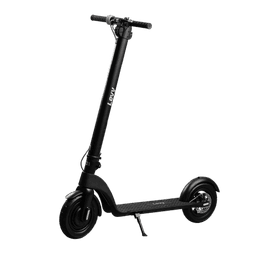
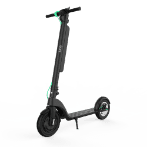
US-based manufacturers like Levy offer family-focused scooter options that emphasize safety certifications, lightweight construction for easier handling, and swappable batteries that give parents control over when kids can ride. While Levy's primary product line targets adult commuters, their commitment to quality manufacturing and safety standards extends across all their offerings.
By prioritizing safety features, choosing age-appropriate models, requiring proper protective gear, and maintaining close supervision, parents can give their children the thrill of electric scooter riding while minimizing risks. Start with conservative choices, establish strong safety habits from day one, and watch your child's confidence and skills grow—safely.